Breaking a sweat is a good thing—most of the time.
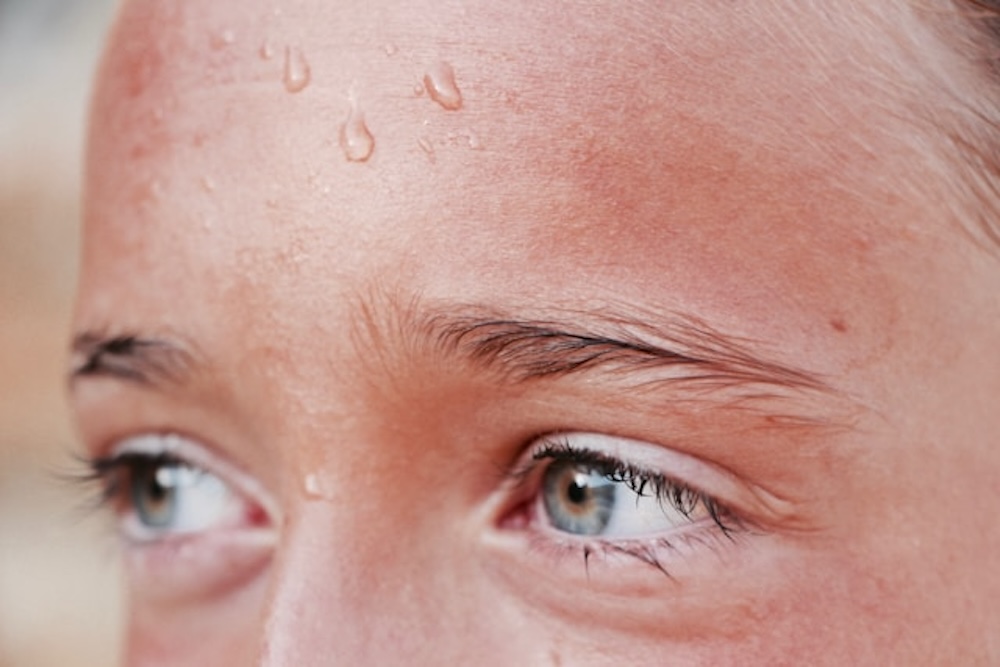
But for 5% of the population (roughly 365 million people) this bodily function becomes a source of significant distress due to excessive and uncontrollable sweating. This is a condition known as hyperhidrosis.
AtMcGuiness Dermatology & Plastic Surgery, our team of dermatologists have the solution for when you can’t stop the perspiration.
When you visit a hyperhidrosis doctor in Murphy, Flower Mound, Plano, Prosper, or Frisco, they can customize a tailored treatment plan to help you reduce sweat.
To learn more about this condition and our treatment options, including miraDry for underarms, read this article.
Skip Ahead
Is the thought of reading a long article making you break into a sweat? Use the links below to jump to the information most pertinent to you.
- The Science Behind Sweat
- What Is Hyperhidrosis?
- The Types of Hyperhidrosis
- Introducing MiraDry for Underarms
- Additional Hyperhidrosis Treatments
- What to Expect at McGuiness Dermatology & Plastic Surgery
- Frequently Asked Questions About Hyperhidrosis
Alternatively, you can give us a call and book a consultation with a hyperhidrosis doctor in Murphy using the number listed below.
The Science Behind Sweat
As stated above, breaking a sweat is a good thing—and everyone sweats, although some more than others. Sweat is your body’s way of cooling itself, which allows you to exercise or walk outside in the summer without overheating.
Your body has millions of sweat glands, some of which are more densely concentrated in the following areas:
- Underarms
- Palms
- Forehead
- Soles of feet
- Genitals
Typically, sweat glands release sweat when your body temperature increases (thermal sweating). However, emotions like anxiety, fear, or pain can also trigger sweat glands to produce sweat (emotional sweating).
What is Hyperhidrosis?
Hyperhidrosis is a chronic condition that causes your body to produce excess sweat without a known underlying cause. This means you sweat during rest, in cool environments, or without emotional triggers.
Types of Hyperhidrosis
Hyperhidrosis is classified into two types, and your treatment plan can differ depending on which one affects you.
Primary (focal) Hyperhidrosis
Primary (focal) hyperhidrosis is the most common type of hyperhidrosis that is not caused by a medical condition or as a side effect of medication. Instead, excessive sweating is the medical condition itself, and is generally thought to be caused by a genetic predisposition.
A hyperhidrosis doctor in Murphy might determine that you have primary hyperhidrosis if you fall under the following categories:
- Your sweat is symmetrical (you sweat the same amount on both sides of your body).
- You experience at least 1 episode a week.
- You experienced this condition in your childhood or adolescent years (before the age of 25).
- You stop sweating when you sleep.
- You have a family history of excessive sweating.
Secondary Hyperhidrosis
Secondary hyperhidrosis means your symptoms are caused by an underlying medical condition or as a side effect to a type of medicine—making it secondary to something else.
Examples of underlying medical conditions include (but are not limited to):
- Diabetes
- Obesity
- Parkinson’s disease
- Hyperthyroidism
- Gout
- Rheumatoid arthritis
Some medications that can cause hyperhidrosis include:
- Antidepressants
- Fever medications
- Antibiotics
- Hormone therapies
- Diabetes drugs
Whether you’re experiencing primary or secondary hyperhidrosis, McGuiness can provide solutions to reduce excess sweating.
Introducing MiraDry for Underarms
While we have a variety of options for hyperhidrosis treatment, there is one that stands out for those who experience excessive underarm sweating: MiraDry Sweat Reduction.
MiraDry helps to lessen sweat and the odor (osmidrosis) that occurs when sweat combines with bacteria. Empowering you to navigate life with increased confidence and reduced stress.
How Does MiraDry Work?
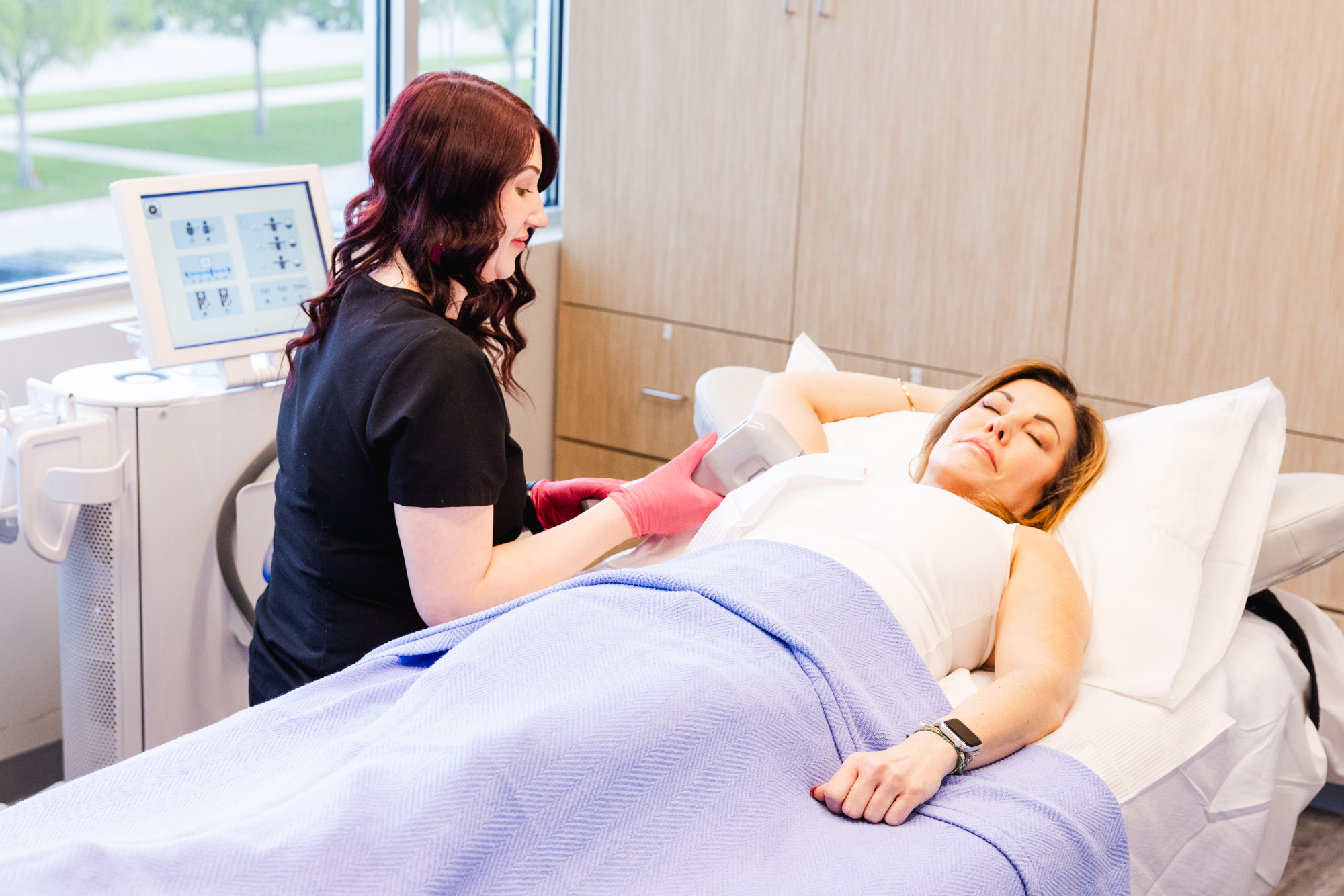
MiraDry uses precise thermal energy to safely destroy sweat and odor glands under the skin. This is a long-lasting and potentially permanent treatment because once the targeted glands are eliminated, they do not regenerate. With that being said, we recommend 2 sessions for noticeable results.
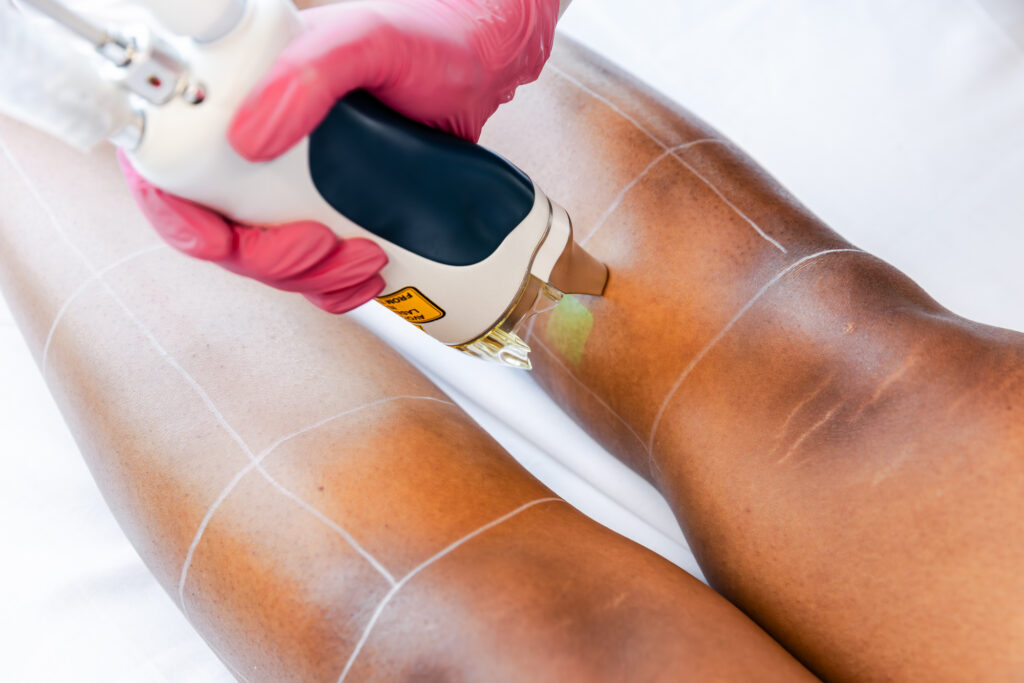
The treatment lasts two hours, involving numbing, temporary tattoo marking of the target zone, and then positioning the handpiece on these marks to direct energy at your sweat glands.
MiraDry is an FDA-cleared device that requires no downtime.
Please note that while we have dermatologists at all of our 5 locations around the Dallas-Fortworth metro area, we only offer MiraDry in the following locations:
- Plano
- Prosper
- Flower Mound
Preparing for MiraDry
If your hyperhidrosis doctor in Murphy determines that this is an appropriate treatment for you, please follow these instructions:
- Shave your underarms a few days before each treatment.
- Discontinue the use of deodorant or antiperspirants at least 24 hours before each session.
- Wear loose-fitting clothing to your appointment to make it easier to access the target area.
Recovering From MiraDry
After your MiraDry appointment, you’re free to continue your day as usual. However, please follow these instructions to avoid complications:
- Apply a cold compress to the treated areas.
- Use anti-inflammatory medications to reduce swelling
- Keep your underarm area clean.
- Apply the prescribed antibiotic ointment to prevent infection.
- Avoid shaving your underarms.
- Refrain from exercising.
- Do not apply antiperspirant or deodorant.
- Avoid saunas or submerging in hot water for at least 2 weeks.
- Wear loose-fitting tops to avoid irritation.
Additional Hyperhidrosis Treatments
While MiraDry is a safe and effective treatment, it doesn’t target all of the areas where this condition occurs.
For Primary Hyperhidrosis
If you experience excessive sweating on your hands, feet, forehead, or genitals, a hyperhidrosis doctor in Murphy can still offer you a range of treatments. These may include prescribed topical treatments or oral medications.
Your hyperhidrosis doctor may also recommend lifestyle changes, including:
- Dietary changes: Spicy foods, caffeine, and alcohol can trigger your body to sweat more than usual.
- Clothing changes: Wear breathable fabrics, like cotton, and shoes that are made of natural materials, like leather.
- Mental health care: If your sweating is triggered by or causes anxiety or another mental health concern, we may recommend visiting a specialist or joining a support group to improve your overall well-being.
For Secondary Hyperhidrosis
A hyperhidrosis doctor may prescribe antiperspirants or oral medications for you if you have secondary hyperhidrosis. We may also advise you to see a specialist, depending on what the underlying cause of your condition is.
The Process at McGuiness Dermatology & Plastic Surgery
From start to finish, here’s what you can expect when you visit our team for hyperhidrosis treatment.
Consultation
To start, you sit down with a hyperhidrosis doctor in Murphy who examines your medical records, discusses your symptoms, and determines the type of hyperhidrosis you have.
While we want to help reduce excessive sweating, we also care about other aspects of your skin health. We may recommend a skin exam or skin cancer screening. This is a 10-minute head-to-toe examination that looks for skin cancer risks.
Treatment
Treatments vary from patient-to-patient depending on the type of hyperhidrosis that you have and where on your body you experience this condition the most. We may have you revisit our office for monitoring if your treatment includes oral medications or topical treatments.
Results
Results vary. You can expect to stay on medications and topical treatments long-term since there is no known cure for hyperhidrosis. Our team will continue to work with you to reduce excessive sweating.
Frequently Asked Questions
Learn more about hyperhidrosis treatments and our practice with these frequently asked questions.
Don’t I need sweat glands?
This is a common question that we receive from patients who are interested in MiraDry. The answer is yes, you do need sweat glands. But not all 2 to 4 million of them. Sweat glands cover your entire body to keep it cool. The glands eliminated by miraDry only make up 2% of your total sweat glands. This means that we can eliminate them, and you can still perspire and live comfortably without them.
Do hyperhidrosis treatments have side effects?
Yes, depending on your hyperhidrosis treatment, you may experience:
- Dry mouth or dry eyes from oral medications.
\Burning sensations or other skin reactions from topical treatments.
Your hyperhidrosis doctor in Murphy can explain the side effects to you based on which medication you’re prescribed. Our team will also help you manage these side effects and can offer alternative plans if necessary.
Why should I visit a dermatologist for hyperhidrosis?
Hyperhidrosis is a medical condition that involves overactive sweat glands. A dermatologist is a doctor who specializes in diagnosing and treating conditions that affect your skin, hair, and nails. This positions a dermatologist as an expert hyperhidrosis doctor in Murphy because they can accurately diagnose this condition and create an effective treatment plan to reduce excess perspiration.
This condition can also lead to social anxiety or make you more prone to other skin conditions like:
- Athlete’s foot
- Bacterial infections
- Pitted keratolysis

Freedom From Excessive Sweating
Sweating is a good thing, and we want to help you realize that. With our hyperhidrosis treatments, we can reduce excessive perspiration and allow you to live your life comfortably and confidently.
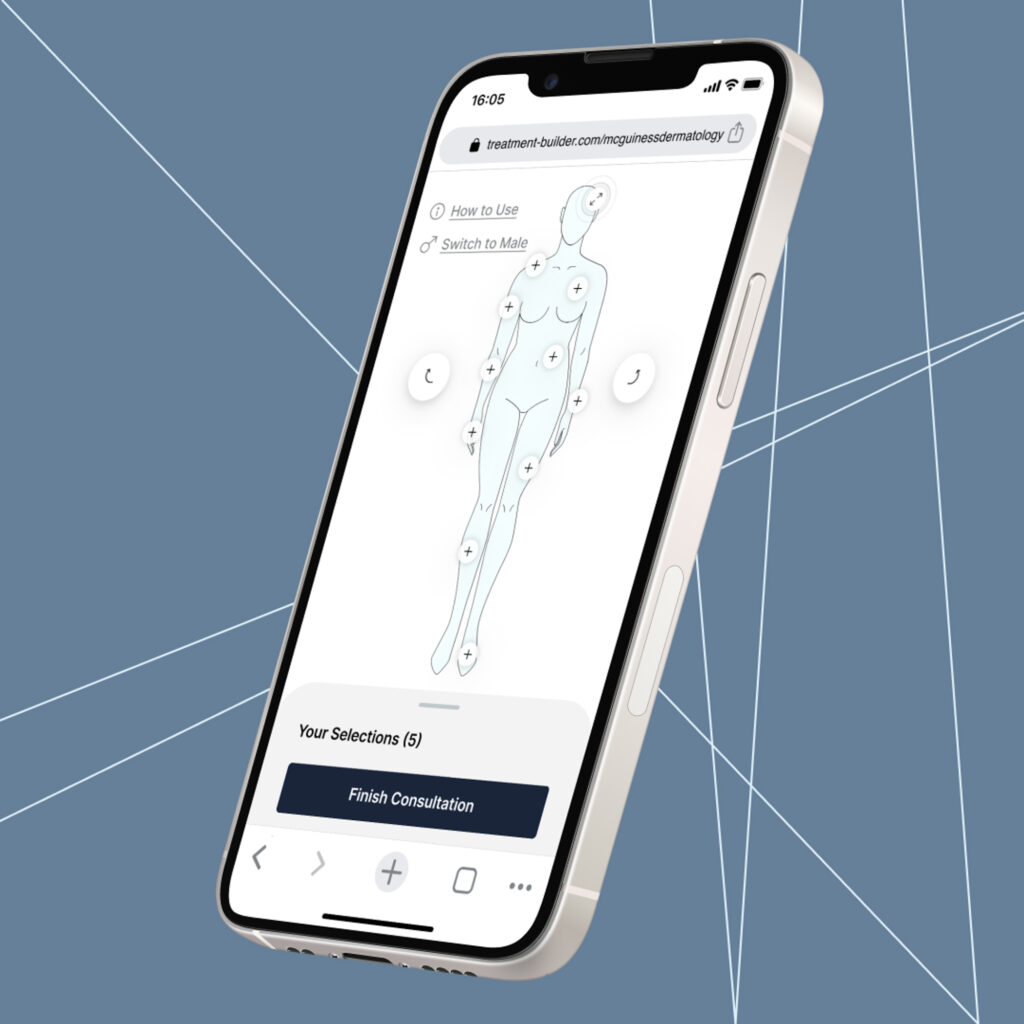
To get started, try our treatment planning tool or request a consultation.