Understand Your Psoriasis
Psoriasis is a chronic, immune-mediated disease that speeds up the growth cycle of skin cells. The extra cells collect on the skin, causing patches that itch, burn, crack, or bleed.
A thoughtful psoriasis treatment plan begins with identifying the type, severity, and location of your symptoms. Your provider also considers how the condition affects your comfort, sleep, daily routine, and overall health.
What Causes Psoriasis?
The exact cause is not fully understood, but immune system activity and genetics play major roles. Psoriasis can run in families, although not everyone with a family history develops it.
Symptoms often move through cycles. A flare-up may last for weeks or months before easing. Common triggers include stress, skin injuries, infections, cold or dry weather, smoking, heavy alcohol use, and certain medications.
Types of Psoriasis
Plaque psoriasis is the most common form and causes raised, dry patches covered with scale. Other types include:
- Guttate
- Inverse
- Pustular
- Erythrodermic
Psoriasis can also affect the scalp and nails.
Some patients develop psoriatic arthritis, which causes joint pain, stiffness, or swelling. Tell your provider about any joint symptoms, even if they seem unrelated to your skin.
Please note: Psoriasis is not contagious. You cannot catch it through touch, shared items, or close contact.
How We Diagnose Your Symptoms
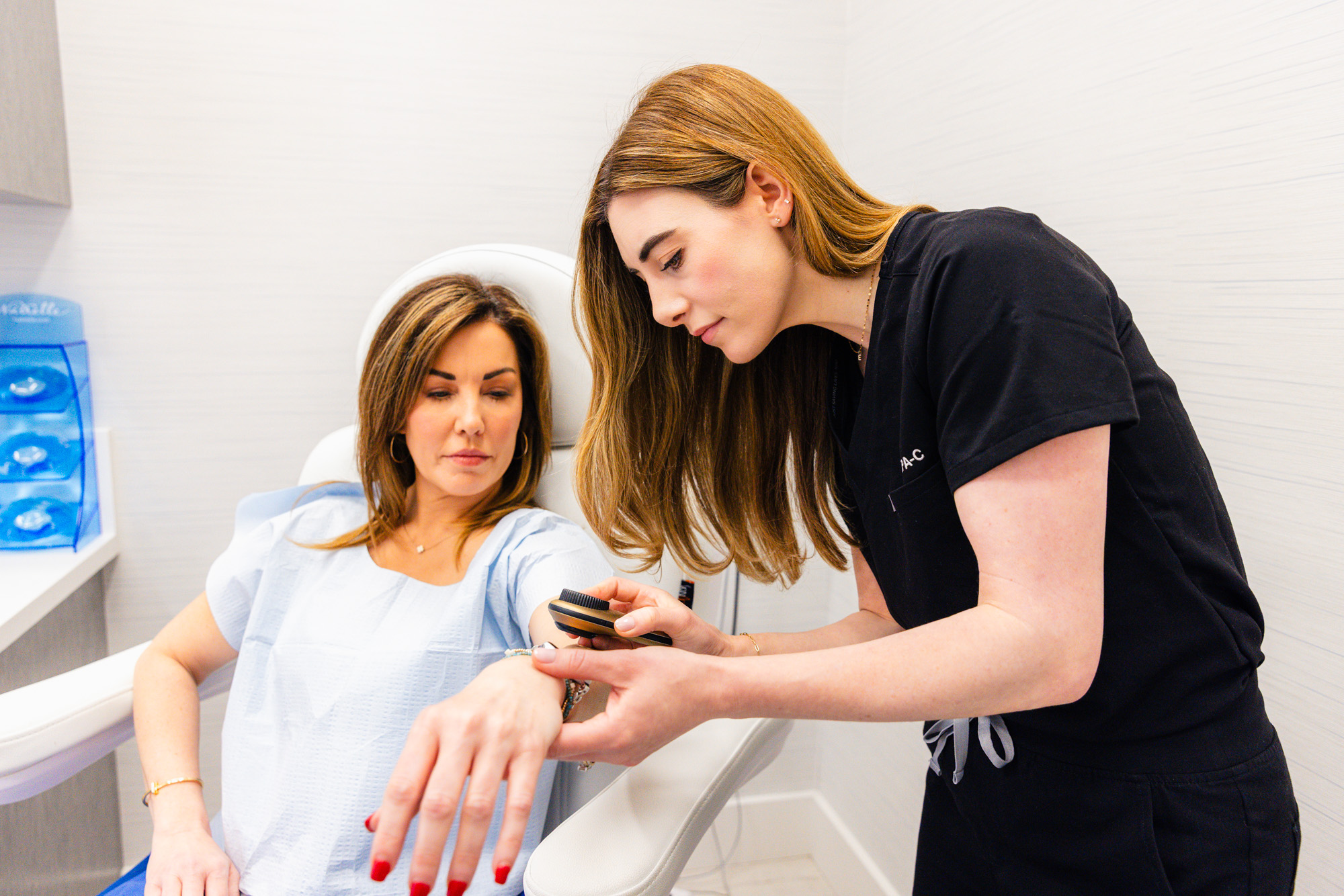
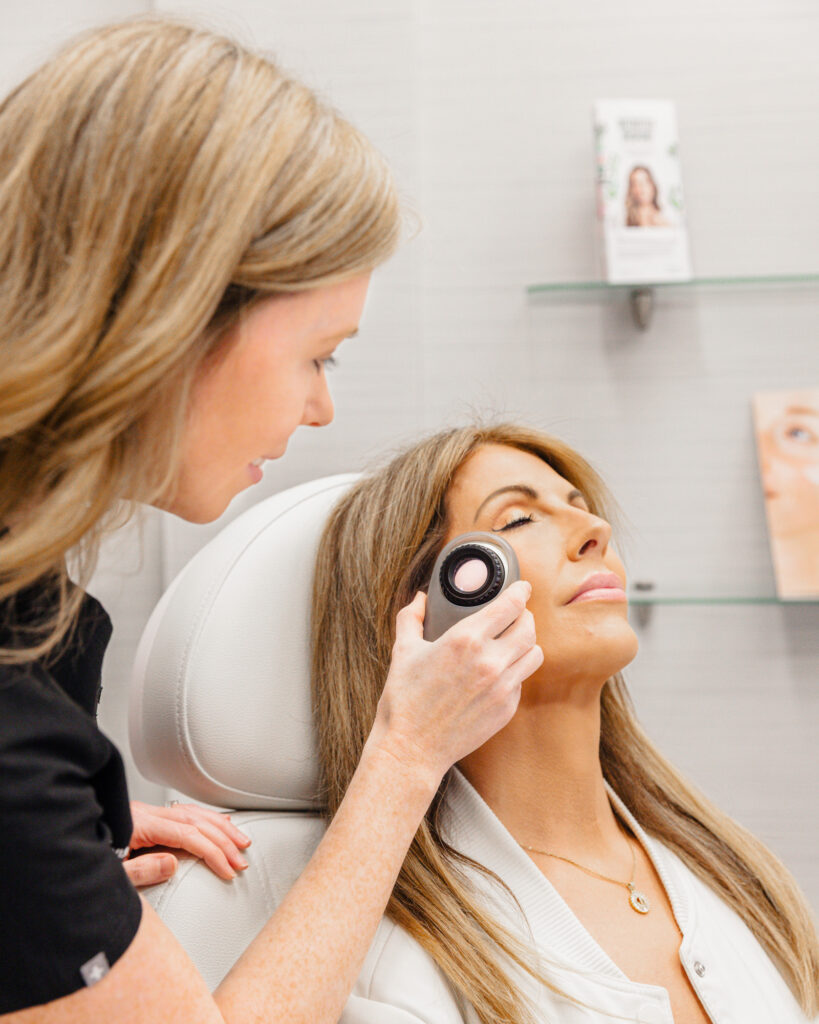
Your provider usually diagnoses psoriasis through a skin examination and by assessing your medical history. We ask when the symptoms began, where they appear, whether they come and go, and which factors seem to worsen them.
Because eczema, fungal infections, and other rashes can resemble psoriasis, your provider may take a small skin biopsy when the diagnosis is unclear. Identifying the correct condition helps prevent ineffective or irritating care.
Building Your Care Plan
The goal of care is to slow rapid skin-cell growth, reduce inflammation, clear scales, and limit future flares. Your provider selects options based on the affected body area, symptom severity, medical history, and response to earlier therapies.
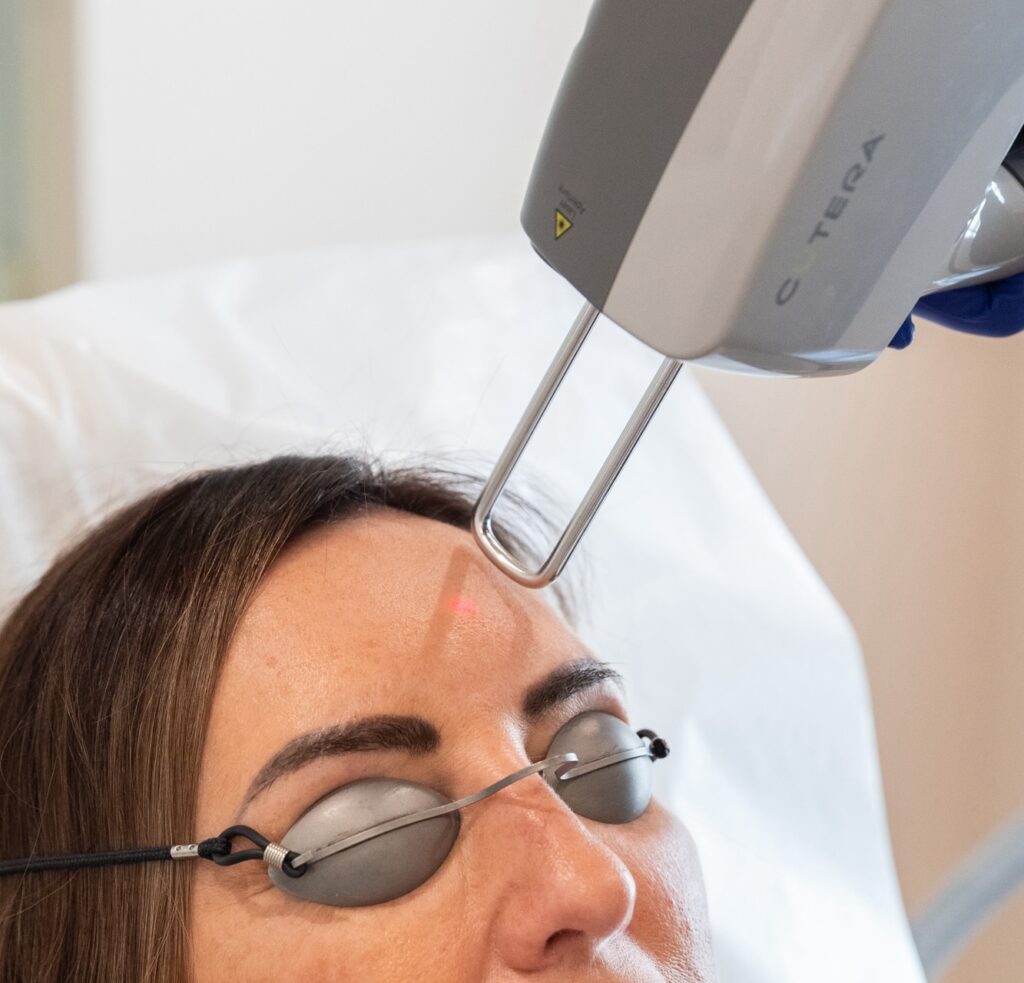
Mild symptoms may respond to prescription creams, ointments, lotions, or medicated shampoos. Phototherapy exposes the skin to controlled ultraviolet light and helps patients with more widespread disease.
Moderate or severe psoriasis may require oral medication or injections that target specific parts of the immune response. Finding the right option may take time, so ongoing visits help us monitor results and adjust your plan.