A Tailored Surgical Repair
Heavy earrings, gauges, repeated pulling, and sudden injuries can stretch or tear the soft tissue of the earlobe. A piercing may hang lower over time, or the tissue may split completely after an earring catches on something.
Dr. Sheen offers earlobe repair in Plano for patients who want to restore a smoother, more complete earlobe shape. The procedure may also make it possible to wear earrings again after the tissue has healed.
Who May Benefit From Repair?
You may benefit from earlobe repair if you have a torn, split, stretched, or uneven lobe. Some patients schedule the procedure after years of wearing heavy earrings. Others want to close holes left by gauges or repair tissue damaged during an accident.
Dr. Sheen also treats piercings placed too close to the edge of the lobe or too close together. These placements can weaken the tissue and increase the chance of further tearing.
Ideal candidates should be in good health and understand that the procedure leaves a small scar. And we ask that patients tell Dr. Sheen about any previous abnormal scarring, including keloids, because ear piercings can sometimes trigger raised scar tissue. He will then evaluate the skin and discuss whether repair is appropriate.
How Earlobe Repair Works
Earlobes contain skin and fatty tissue but no cartilage. The soft structure allows plastic surgeons to reshape the tissue during a relatively short outpatient procedure.
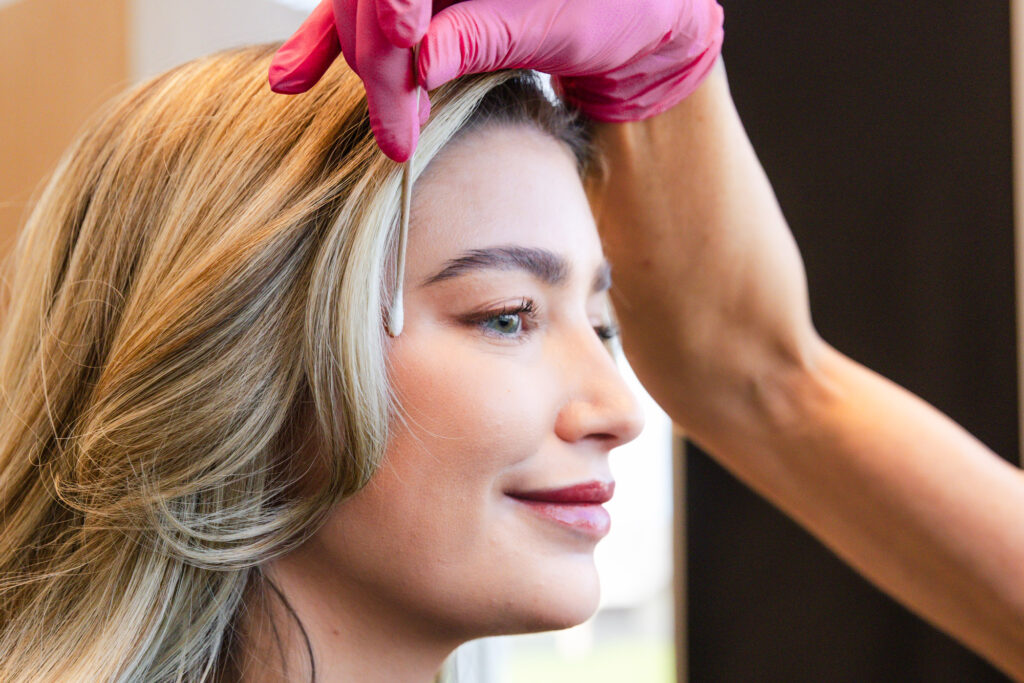
When you visit McGuiness for earlobe repair in Plano, we first examine the treatment location and extent of the damage. A partial tear may require a different approach than a fully split lobe or a large opening left by a gauge.
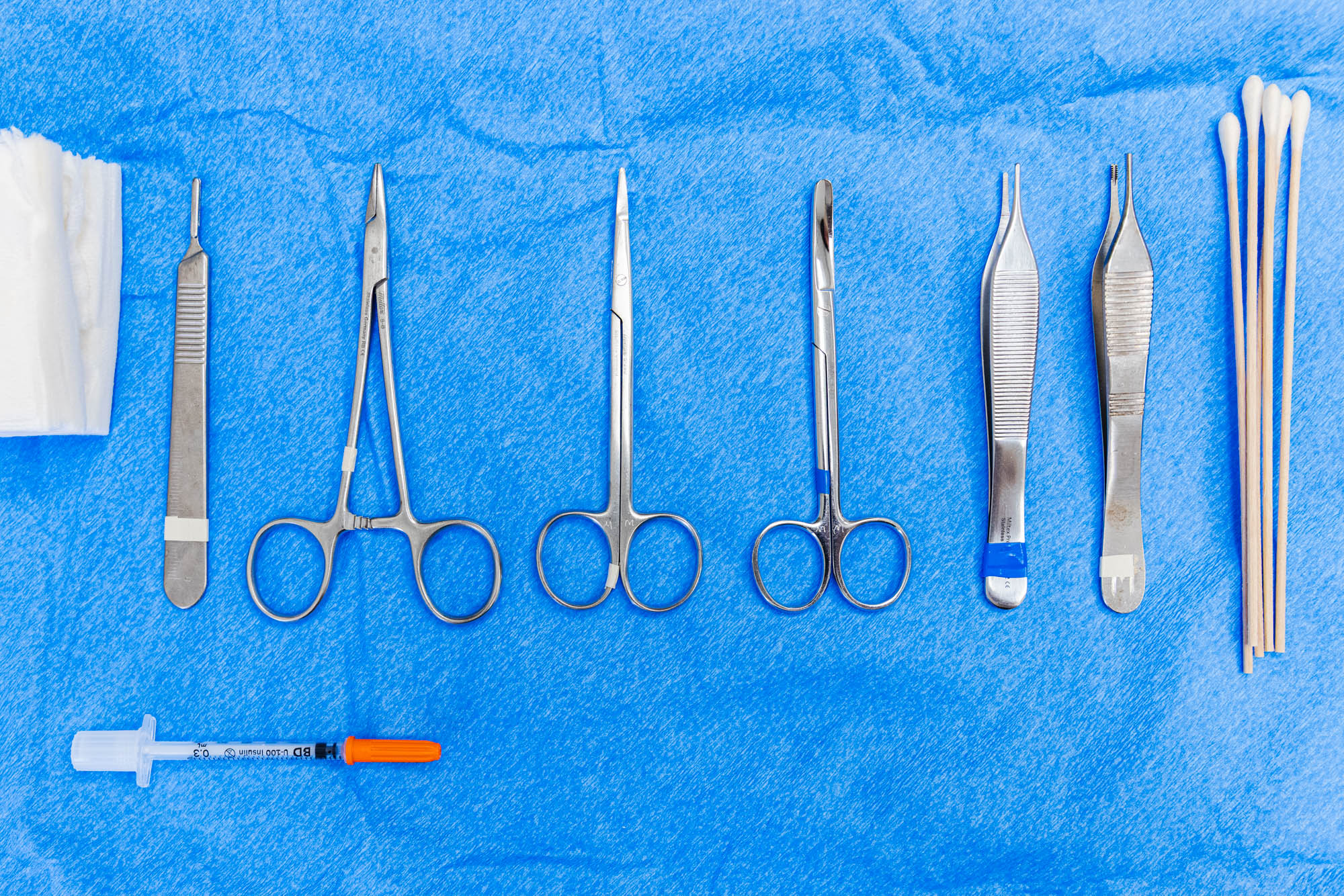
On the day of treatment, your surgeon cleans the area and applies local anesthesia. Once the earlobe is numb, they remove a small amount of scarred or damaged tissue. They then bring the fresh tissue edges together and close them with fine sutures.
The exact repair method depends on your anatomy. We may adjust the lobe’s shape or use a more detailed closure to reduce notching along the lower edge. Once complete, you can return home soon after.
Recovery and Results
Mild swelling, tenderness, bruising, or tightness may occur during early healing. Most patients return to work and routine activities quickly, but you should avoid pulling, rubbing, or placing pressure on the repaired lobe.
Keep the area clean and follow all wound-care directions. We may recommend an ointment or dressing and will explain when to return for suture removal if the stitches are not dissolvable.
Avoid wearing earrings until your surgeon confirms that the tissue has healed. Repiercing too soon could reopen the repair. When you receive approval, place the new piercing away from the scar and avoid heavy jewelry that could stretch the lobe again.
Results are long-lasting when the repaired tissue heals properly. However, future injuries, gauges, or heavy earrings can damage it again. Protecting the lobe and choosing lightweight jewelry helps preserve your results.