Correct the Source of Blockage
The septum is the wall of cartilage and bone that separates your nostrils. When it bends toward one side, it can reduce the space available for air to pass through the nose.
Patients considering septoplasty in Plano meet with Dr. Sheen to determine whether septal deviation is the source of their breathing concerns. Not every blocked nose comes from the septum, so an accurate evaluation guides the appropriate procedure.
Who May Benefit From Septoplasty?
You may benefit from septoplasty if a deviated septum is causing persistent nasal obstruction, difficulty breathing, nosebleeds, or repeated sinus problems. Some patients were born with the condition, while others develop it after an injury or previous nasal surgery.
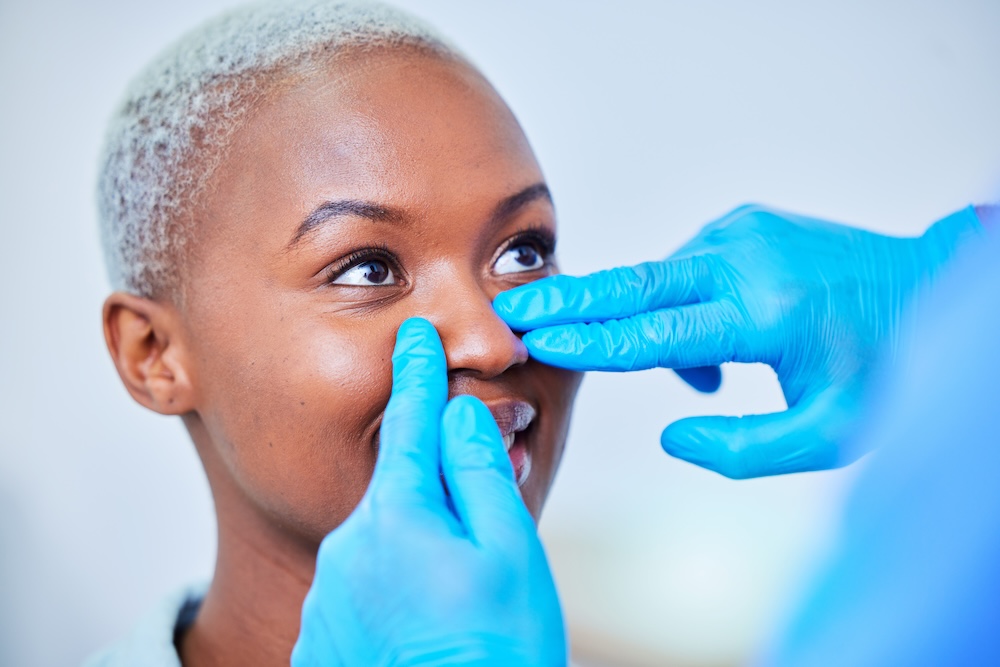
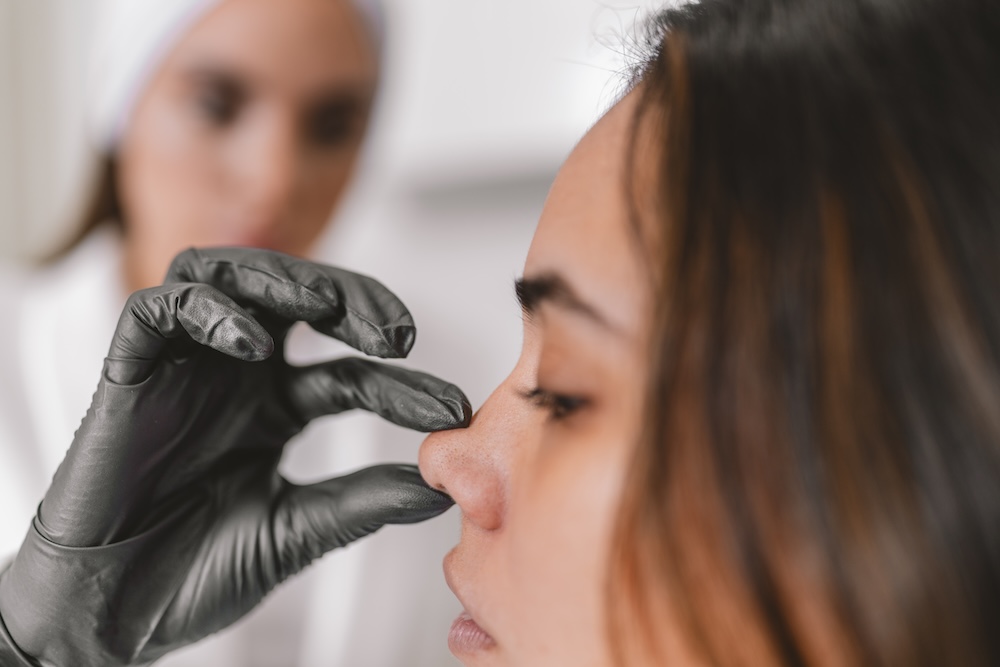
Dr. Sheen evaluates your nasal passages, septum, turbinates, and external nasal structure. He also reviews your medical history to determine if another concern contributes to poor airflow. Once he determines that you’re a good candidate for a septoplasty in Plano, he
How the Procedure Works
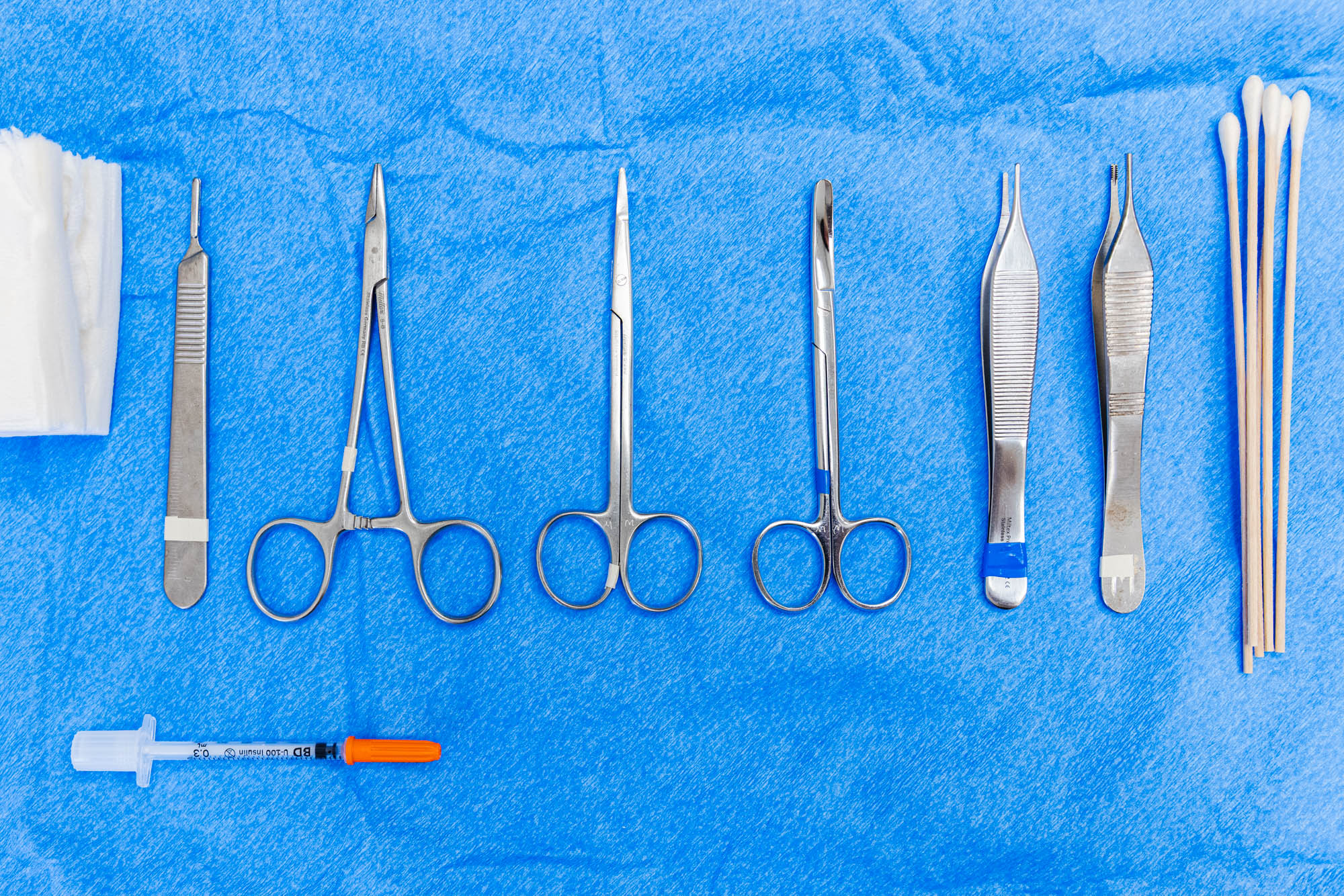
Dr. Sheen usually performs septoplasty through incisions made inside the nose. This approach avoids an external incision.
After reaching the septum, he lifts the thin tissue lining that covers the cartilage and bone. He then reshapes, repositions, or removes the portions causing obstruction. Dr. Sheen preserves enough structural support to maintain nasal stability before returning the lining to its proper position.
He may place dissolvable sutures, soft splints, or packing inside the nose during early healing. Most patients return home on the day of surgery and need someone to drive them.
Recovery and Results
Congestion, pressure, mild bleeding, drainage, swelling, and temporary numbness can occur after surgery. Your nose may feel more blocked before it begins to feel clearer.
Plan to rest for several days and avoid strenuous activity for about 2 weeks or until Dr. Sheen clears you. Do not blow your nose, and sneeze with your mouth open to limit pressure. Follow all instructions for rinses, medications, splints, and incision care.
Many patients return to work within about 1 week. However, cartilage and tissue continue healing for several months. The improvement in airflow becomes clearer as internal swelling decreases.