Restore Under-Eye Balance
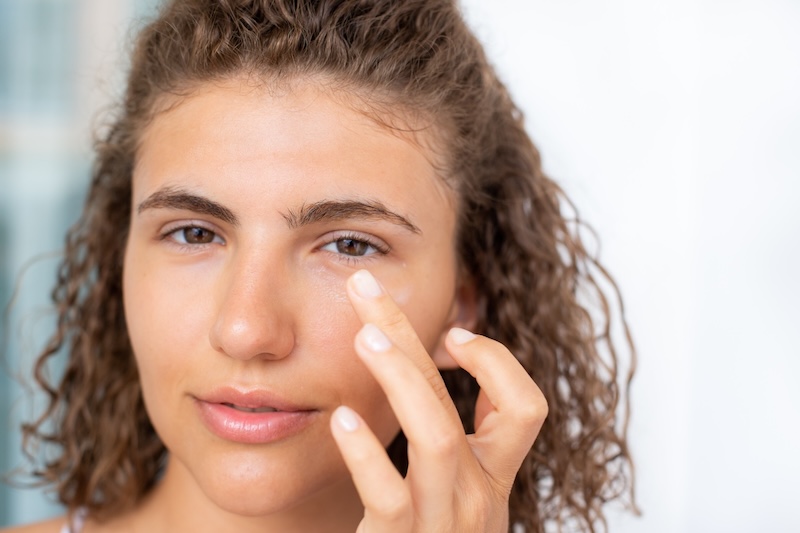
Under-eye bags do not always result from a lack of sleep. Aging, genetics, changes in skin elasticity, and shifting fat can create fullness or hollowing that remains despite rest or skincare.
Patients considering getting lower blepharoplasty in Plano should meet with Dr. Sheen to identify which tissues contribute to their concerns. He will evaluate the lower eyelids in relation to the cheeks and surrounding facial structure before planning your surgery.
Who May Benefit?
You may benefit from lower eyelid surgery if you have persistent bags, puffiness, loose skin, or hollowing beneath the eyes. Ideal candidates are healthy enough for surgery, avoid smoking, and have realistic expectations.
Dr. Sheen may determine that you are not a candidate for our lower blepharoplasty in Plano if you have:
- Dry eyes
- Glaucoma
- Thyroid disease
- Diabetes
- High blood pressure
If we determine that you are not a candidate, Dr. Sheen will recommend alternative options to improve your under-eye appearance.
How the Procedure Works
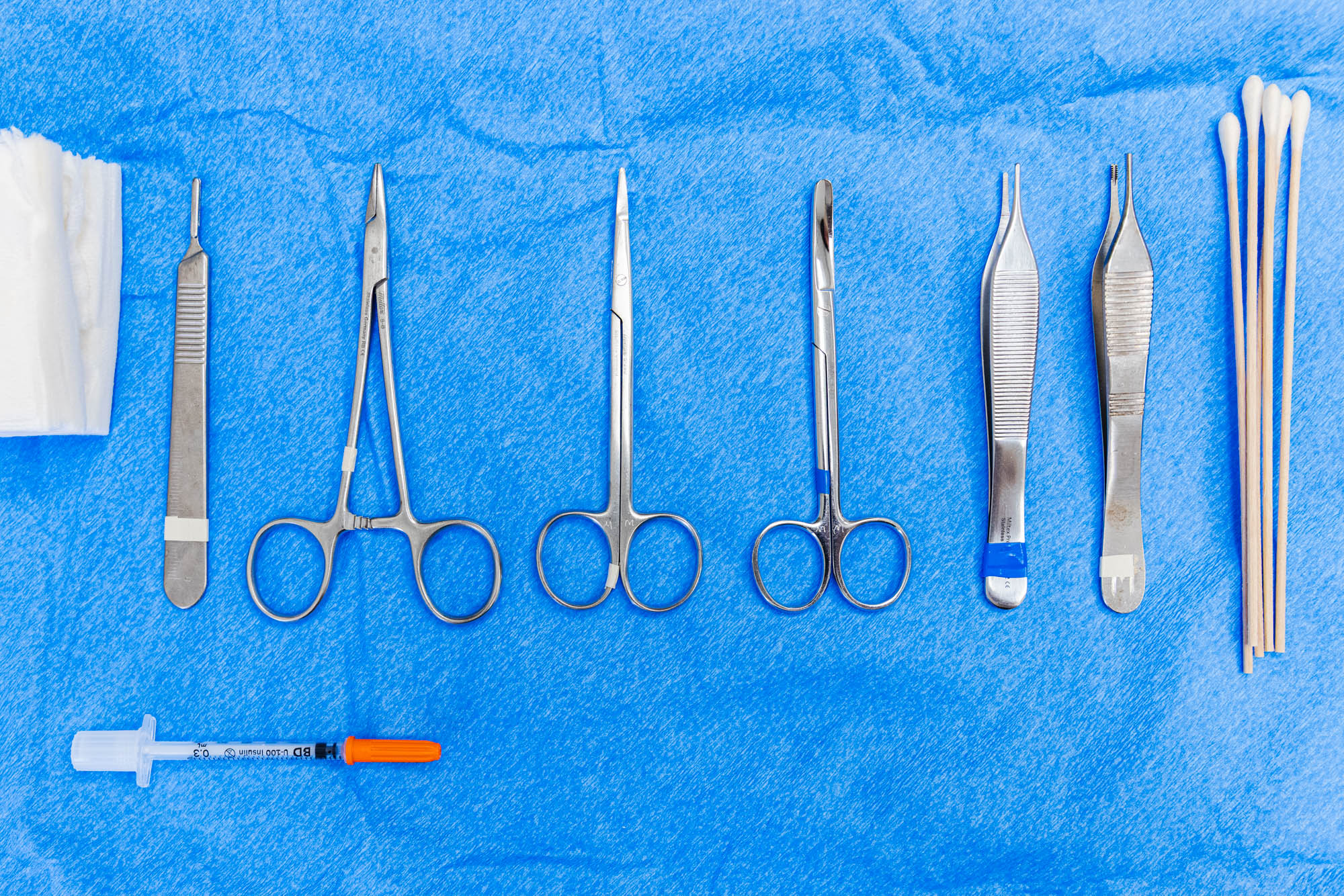
Dr. Sheen places the incision just beneath the lower lash line or inside the lower eyelid.
- The external approach allows him to address excess skin as well as underlying fat.
- The internal, or transconjunctival, approach avoids an external incision and may suit patients who need fat adjustment without skin removal.
Depending on your anatomy, Dr. Sheen may remove excess fat or reposition it into hollow areas. Redistributing fat can create a smoother contour between the lower eyelid and cheek without removing more volume than necessary.
Recovery and Results
Swelling, bruising, tightness, temporary dryness, and mild discomfort are common during early recovery. Many patients feel comfortable returning to public activities within 10 to 14 days, although complete healing takes longer.
Follow all instructions for cold compresses, ointments, activity limitations, and incision care. Protecting the area from sun exposure also supports scar healing.
Results are long-lasting, and lower eyelid surgery rarely needs to be repeated. However, surgery cannot stop the natural aging process, so you may still notice changes as you get older.