Support Through Hormonal Change
Hormone levels can change with menopause, perimenopause, andropause, aging, certain medical conditions, or reduced hormone production. These changes can affect sleep, temperature regulation, sexual health, mood, and daily energy.
McGuiness Dermatology & Plastic Surgery offers BHRT to Frisco for patients experiencing hormone-related symptoms. Because these concerns can have several causes, your provider first determines whether hormone therapy fits your health needs.
How Bioidentical Hormones Work
Bioidentical hormones are typically derived from plant sources, such as soy or yams, and processed in a laboratory so they have the same chemical structure as the hormones naturally produced by your body. Because they closely match the body’s hormones, most patients find that they integrate well into their system.
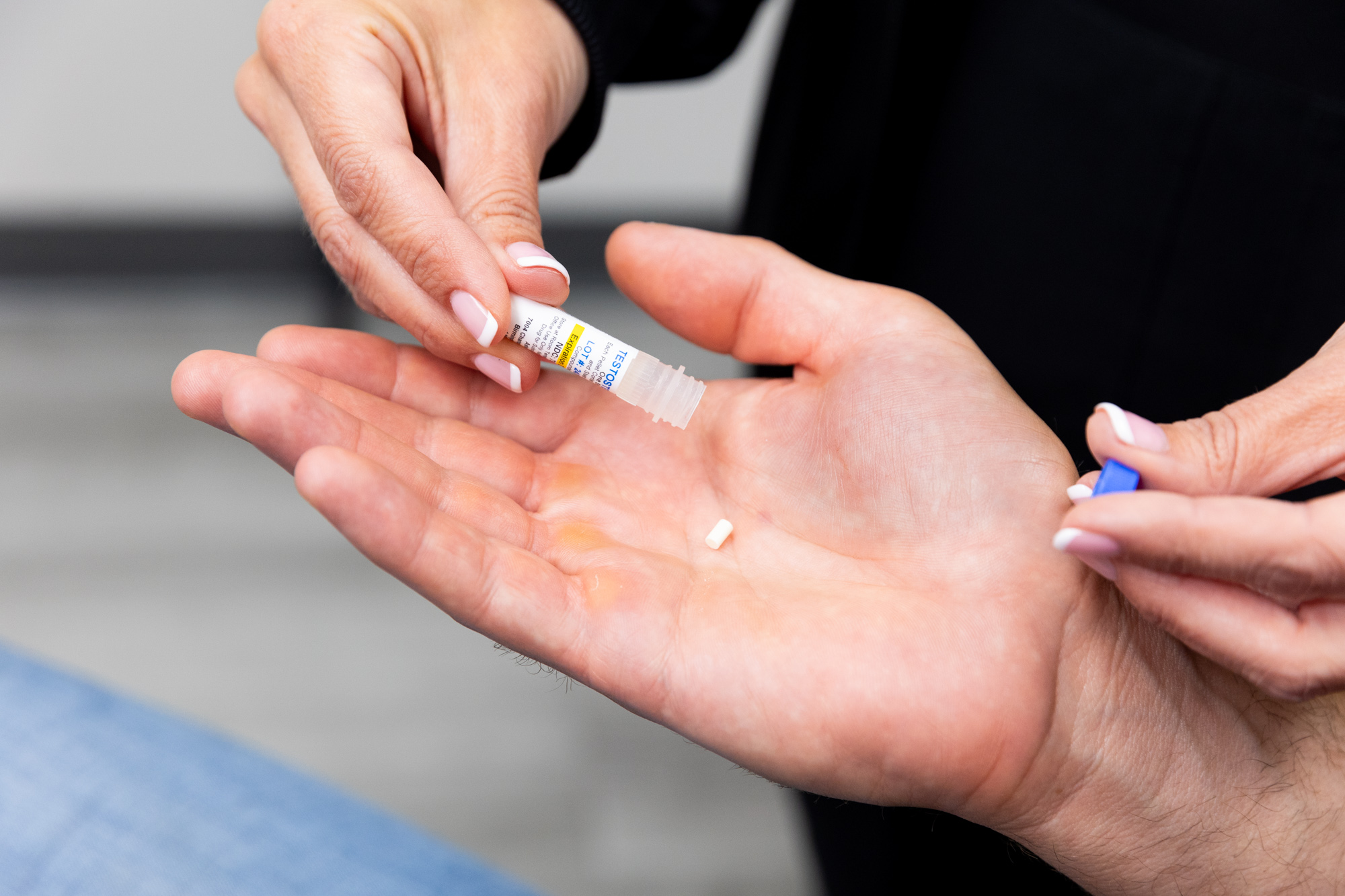
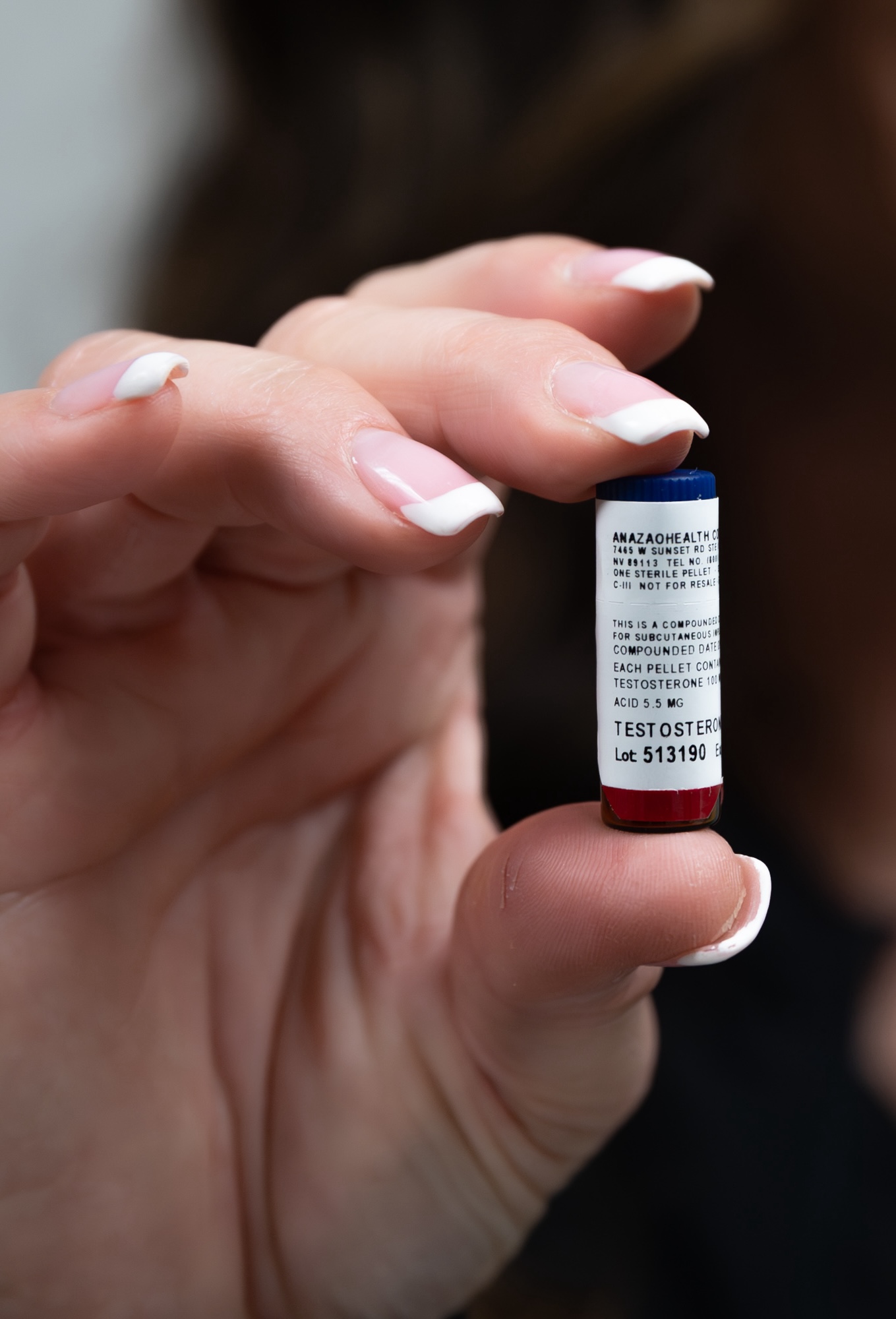
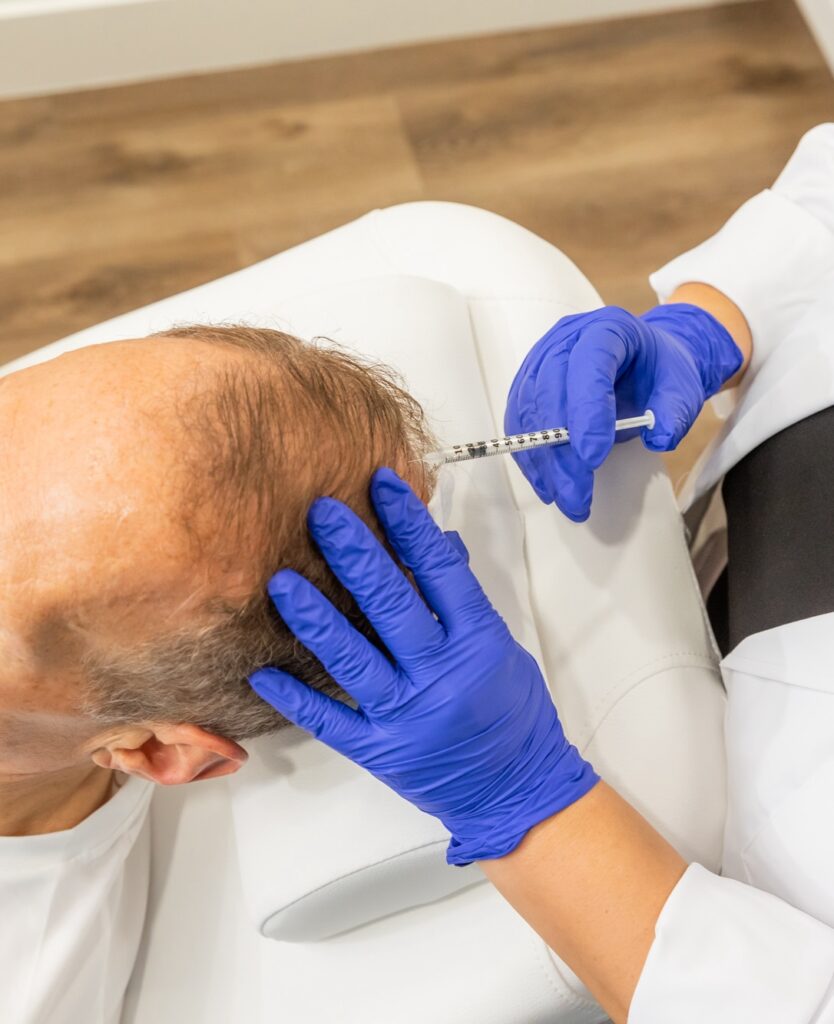
At McGuiness, we deliver bioidentical hormones through small pellets placed beneath the skin. Each pellet is customized to your individual hormone levels, symptoms, and treatment goals, allowing for a personalized dose that is released gradually over time. As your hormone levels and symptoms change, we can adjust your dosage at future appointments to help maintain optimal results.
Who May Be a Good Candidate?
Hormone therapy may be appropriate for certain patients with disruptive symptoms related to menopause or a diagnosed hormone deficiency. However, it is not right for everyone.
Before recommending care, your provider reviews your personal and family medical history. Certain cancers, unexplained bleeding, blood-clotting conditions, liver disease, stroke, heart disease, and other concerns may affect whether hormone therapy is appropriate.
Your provider will discuss the potential benefits and risks so you can make an informed decision.
Ongoing Monitoring
BHRT requires continued medical supervision. Follow-up visits allow your provider to review symptom changes, check laboratory results, and watch for side effects.
You may notice improvement gradually rather than immediately. Response times differ because hormone levels, delivery methods, and symptoms vary between patients. Your provider can adjust future dosing based on your results instead of relying on symptoms alone.