Designed Around Your Features
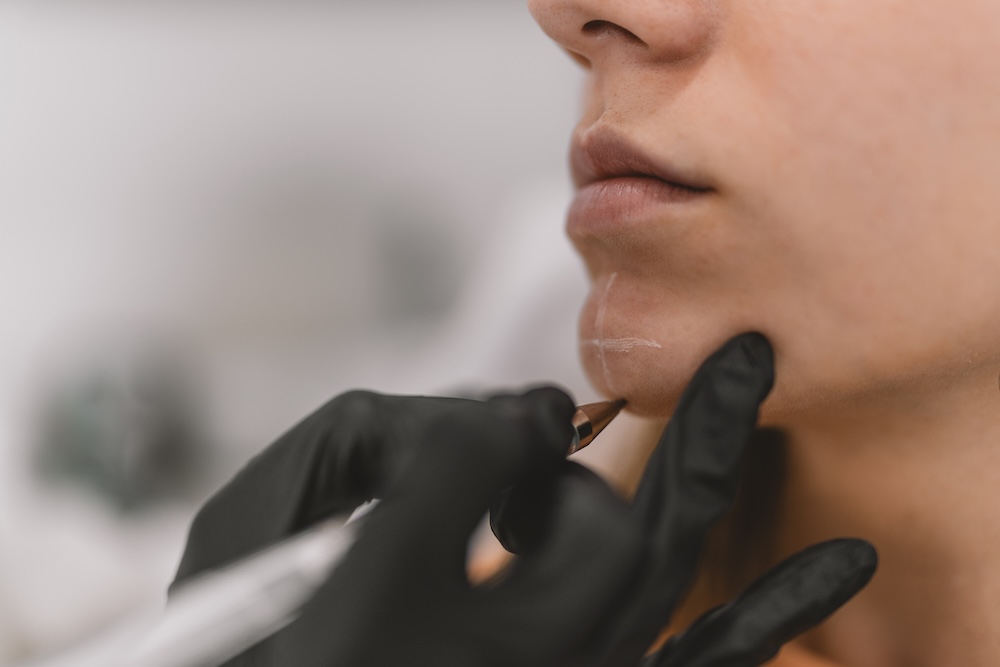
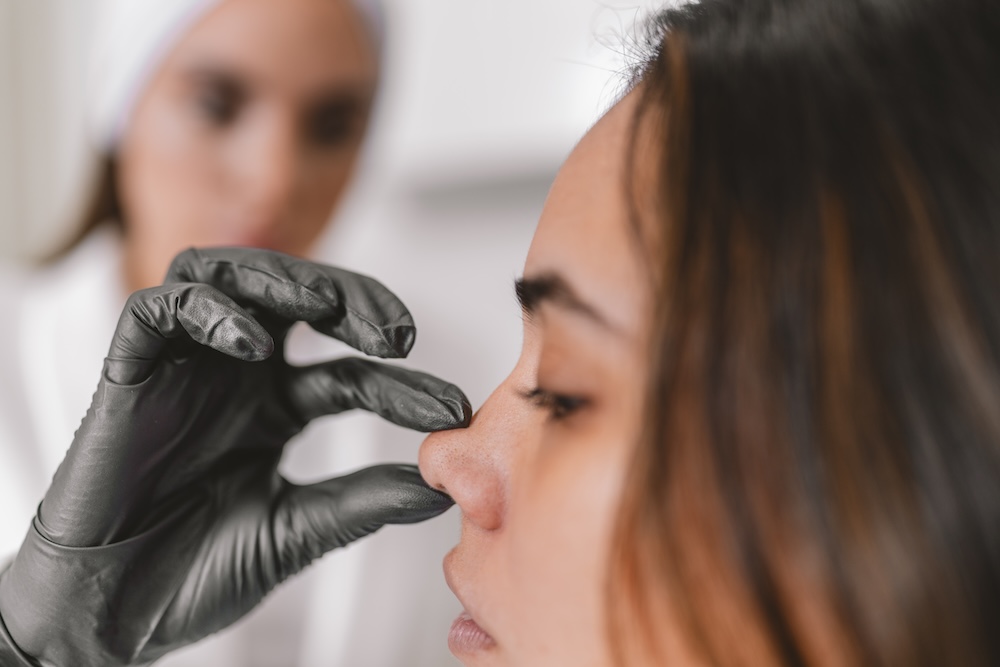
Successful rhinoplasty is not about creating the same nose for every patient. Subtle differences in bridge height, tip projection, nostril shape, skin thickness, and chin position influence what will look balanced.
Patients considering rhinoplasty near Flower Mound should meet with Dr. Sheen, a fellowship-trained facial plastic surgeon, who evaluates both appearance and function before recommending surgery.
Who Is a Rhinoplasty For?
Rhinoplasty may be appropriate if you want the shape, size, projection, or symmetry of your nose modified. It can also help with internal structural problems that restrict airflow.
Candidates should have completed most facial growth, be healthy enough for surgery, be able to avoid nicotine products, and maintain realistic expectations. Perfect symmetry is not possible because every face has natural differences between its two sides.
How Rhinoplasty Works
Dr. Sheen may perform rhinoplasty through incisions hidden inside the nostrils or through an open approach that includes a small incision across the columella between them. The selected technique depends on the visibility and access required for your correction.
He is able to reshape the nasal bone, adjust the bridge, refine the tip, alter nostril size, or use cartilage grafts to strengthen specific areas. When obstruction is present, he can also correct the septum or reinforce the nasal valves to support airflow.
Dr. Sheen’s structural approach prioritizes stability. Removing too much cartilage can weaken the nose, so the goal is controlled refinement rather than simply making it smaller.
Recovery and Final Results
A splint is used to protect the nose during early healing. Bruising, swelling, congestion, pressure, and temporary numbness are expected. Many patients return to desk work or social activities after one to two weeks, although strenuous exercise and activities that could injure the nose remain restricted longer.
The nose holds swelling longer than many other facial areas. You will likely notice meaningful improvement within weeks, but the tip and finer contours continue changing for up to a year.